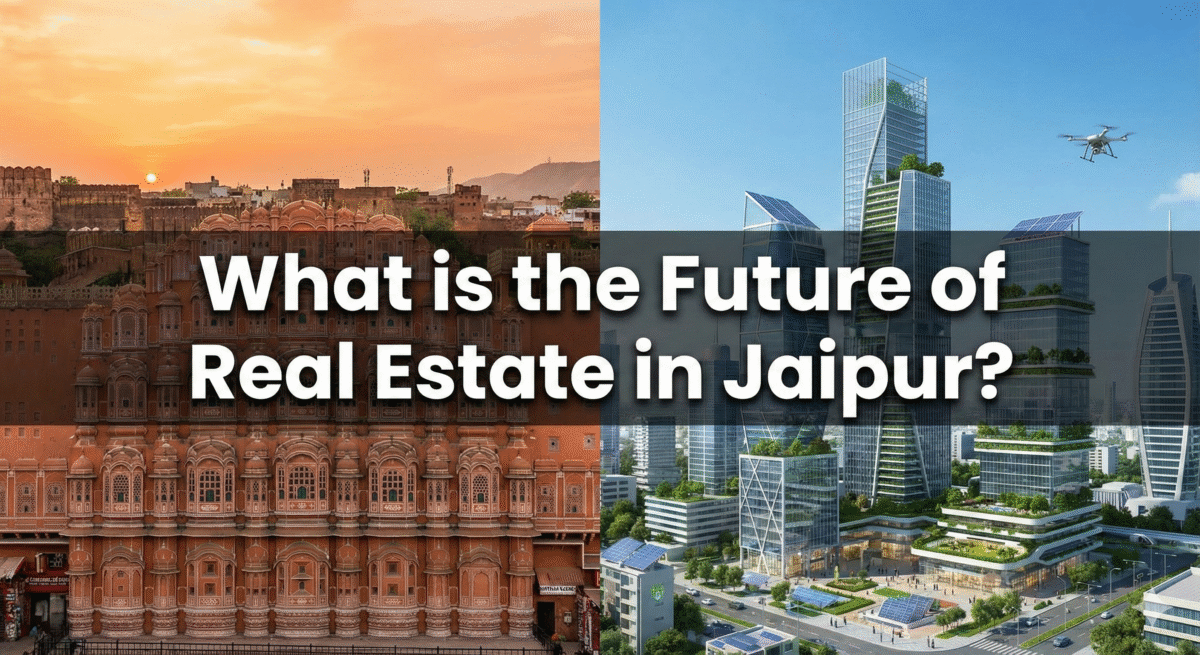
Jaipur’s real estate market stands at a pivotal moment in its evolution. The Pink City has transformed from a heritage tourism destination into one of India’s most dynamic Tier-2 real estate markets, recording a staggering 98.2% property price growth—the highest among comparable cities nationwide. With property sales growing 5% in 2024 to reach 10,695 units and sales value surging 39% to ₹8,388 crore, the momentum is undeniable. But what does the future hold for this rapidly evolving market? As we look toward 2026, 2027, and 2030, multiple factors—infrastructure investment, demographic shifts, technology integration, and policy support—are converging to shape Jaipur’s real estate destiny. Understanding these trends helps buyers, investors, and industry stakeholders position themselves strategically for what promises to be an exciting journey ahead.
Key Drivers Shaping Jaipur’s Real Estate Future:
- Explosive Population Growth and Urbanization: Jaipur’s population is projected to cross 6.5 million by 2025, driven by continuous inflow of people from across Rajasthan and neighboring states like Uttar Pradesh and Bihar seeking employment, education, and better lifestyle opportunities. This rising migration for jobs and education is driving consistent housing demand across all segments—from affordable to premium categories. The city’s expanding economic base, growing employment opportunities in IT, manufacturing, and services sectors, and reputation as an education hub ensure sustained population growth through 2030, creating organic housing demand that supports long-term real estate value appreciation.
- Massive Infrastructure Investment Transforming Connectivity: Billions of rupees are being poured into road widening, metro expansion, flyovers, and public amenities, directly impacting property values across strategic corridors. The ₹12,260 crore Metro Phase II spanning 42.80 kilometers with 36 stations will revolutionize intra-city mobility by 2030, connecting employment hubs like Sitapura to residential neighborhoods and the airport. The Delhi-Mumbai Expressway reducing Jaipur-Delhi travel to just three hours positions the city within easy reach of NCR markets. The Northern Ring Road’s ₹6,500 crore investment provides seamless connectivity to national highways, while Master Plan 2025’s implementation of 71 new sector roads improves last-mile accessibility. These infrastructure developments create tangible appreciation catalysts—properties near metro stations, expressway access points, and major road corridors will experience 20-30% premiums as connectivity improves dramatically.
- IT and Technology Sector Growth Driving Premium Demand: Jaipur has secured the top position in junior-level IT hiring (18.18% of total IT jobs) and senior-level hiring (20.78%) among Tier-2 cities, with the IT sector projected to grow 15-20% annually through 2025-2026. This employment boom is attracting young professionals, creating sustained rental demand and driving purchases of modern apartments with smart features, high-speed internet, and proximity to employment hubs like Sitapura. The expansion of Global Capability Centers to Tier-2 cities including Jaipur, driven by lower operational costs and untapped talent pools, ensures continued white-collar job creation fueling housing demand for years to come.
- Shift Toward Integrated Communities and Modern Amenities: Lifestyle shifts are fundamentally changing what buyers want. Buyers are now looking for integrated communities with modern amenities, rather than standalone homes. The days of prioritizing independent bungalows are fading as families recognize that gated communities offering comprehensive security, recreational facilities, professional management, and social infrastructure provide superior quality of life. This preference shift drives developer focus toward larger township projects with curated lifestyle offerings, transforming areas like Jagatpura, Mansarovar Extension, and Ajmer Road into modern residential corridors with premium projects delivering resort-like living experiences.
- Tier-2 City Advantage in National Context: National real estate trends favor cities like Jaipur as many people are relocating from crowded urban areas to suburban regions or tier-2 and tier-3 cities. They are seeking bigger houses that better fit their budgets, as the rise of remote and hybrid work setups has significantly influenced buyer preferences. Cities such as Jaipur, Lucknow, and Vadodara are emerging as key real estate hubs due to this trend, with tier-2 and tier-3 markets offering better returns on investment (ROI) for buyers, along with more suitable lifestyle choices. Jaipur benefits from this national migration pattern, attracting buyers from Delhi, Mumbai, and Bangalore who seek affordable yet quality living without sacrificing connectivity or amenities.
- Technology Integration Transforming Home Buying and Living: Technology is playing the most important role in the home-buying journey, from the start of the search to the final closing and beyond. Buyers expect a technology-driven experience including virtual tours, drone images, and AI-enhanced property recommendations. Homes are increasingly becoming “smart,” equipped with advanced security systems, automated climate control, and voice-activated lighting. Developers incorporating these technological features from design stages rather than as afterthoughts will command premium pricing and attract tech-savvy buyers who view smart homes as baseline expectations rather than luxury additions.
High-Growth Corridors Defining Jaipur’s Future:
Three specific areas stand out as the city’s fastest-growing residential investment destinations through 2030. Mansarovar Extension offers affordability with growth, with property prices still lower than inner Jaipur yet showing consistently upward appreciation trends. Strong rental demand driven by educational institutions and corporate hubs delivers healthy yields, while recent flyover and road-widening projects along with planned metro expansion are transforming accessibility. For investors, Mansarovar Extension offers lower entry costs today with high potential for long-term gains.
Jagatpura has transformed from a quiet suburb into one of Jaipur’s fastest-growing real estate hubs. Proximity to Jaipur International Airport, Sitapura Industrial Area, and medical and educational institutions has made it a magnet for buyers and developers. Property prices in Jagatpura have risen steadily, often delivering 20-25% growth annually in prime pockets, with land rates rising 95.5% over five years. The area’s comprehensive social infrastructure and upcoming metro connectivity position it for continued strong appreciation through 2030.
Ajmer Road, especially around the SEZ zone, represents one of Jaipur’s most exciting corridors for real estate growth. The area’s transformation into a major employment and residential hub attracts working professionals and NRIs. Proximity to SEZ and corporate parks ensures consistent housing demand and rental potential. Planned infrastructure including widened highways, proposed metro links, and new civic infrastructure make this belt highly future-ready, with premium living options offering long-term investors the dual advantage of lifestyle appeal and value growth.
Investment Perspective: Doubling Value by 2030-2032:
For investors with long-term perspectives, especially a 7-10 year horizon, Jaipur presents multiple opportunities to double investment value by carefully selecting the right residential location. Certain corridors have seen average annual property appreciation of over 20% in the last few years, making them hotbeds for investors. Imagine an investor who picked the right property in Mansarovar Extension, Jagatpura, or Ajmer Road seven years ago—with the consistent growth trend, their investment value today could easily be double the original amount. This demonstrates the importance of location selection in Jaipur’s evolving real estate landscape.
The key success factors for maximizing returns include thorough evaluation of developer credibility, project approvals, and infrastructure timelines. Early investors enjoy the benefit of lower entry costs and faster appreciation, but must carefully assess risks. Properties in corridors with confirmed infrastructure projects—metro stations, highway access, commercial developments—offer the best risk-reward balance by combining visible progress reducing uncertainty with substantial upside as projects complete.
Challenges and Considerations:
While Jaipur’s future looks bright, potential challenges warrant attention. Like any fast-growing market, these zones come with both opportunities and risks that investors must navigate carefully. Infrastructure project delays remain possible despite government commitments, though the formation of dedicated agencies like Rajasthan Metro Rail Corporation provides more certainty than speculative announcements. Oversupply in certain micro-markets could dampen appreciation if developer activity outpaces genuine demand—careful location selection distinguishing high-demand corridors from speculative developments is essential.
Water availability and civic infrastructure strain from rapid population growth require sustained municipal investment to maintain livability standards. Buyers should verify that developments have adequate water supply arrangements, proper sewage systems, and reliable power infrastructure before committing. Market cyclicality means not all periods will deliver 20%+ annual appreciation—realistic expectations of 8-12% average long-term returns prevent disappointment during consolidation phases following rapid growth periods.
The 2030 Vision:
By 2030, Jaipur’s real estate landscape will look dramatically different from today. The Metro Phase II will be operational, transforming neighborhoods like Jagatpura and Sitapura into seamlessly connected urban zones. The Delhi-Mumbai Expressway will have fully integrated Jaipur into NCR’s economic ecosystem, attracting weekend home buyers and professionals seeking better living costs. Smart City initiatives will have matured, delivering digital governance, intelligent traffic management, and technology-integrated civic services that enhance urban quality of life.
The residential market will be segmented more clearly—established premium areas like C-Scheme and Malviya Nagar maintaining prestige and stable values, growth corridors like Jagatpura and Mansarovar Extension transitioning into mature premium zones with appreciated values reflecting their infrastructure advantages, and new emerging pockets identified through Master Plan implementation offering the next wave of growth opportunities for forward-looking investors.
The future of real estate in Jaipur is undeniably bright, driven by fundamental growth catalysts rather than speculative enthusiasm. Population growth, infrastructure investment, employment expansion, and shifting buyer preferences create a perfect storm of factors supporting sustained real estate appreciation through 2030 and beyond. For homebuyers, this means purchasing properties in well-connected areas with strong fundamentals ensures both lifestyle satisfaction and wealth creation. For investors, identifying growth corridors before they peak—areas where infrastructure is planned but not yet completed, where developer activity signals confidence, where employment proximity drives organic demand—offers opportunities for substantial returns. The key is acting strategically, conducting thorough due diligence, and maintaining long-term perspectives that allow full appreciation cycles to unfold. Jaipur’s transformation from heritage city to modern urban hub is well underway, and those who position themselves wisely will benefit from this remarkable journey.